

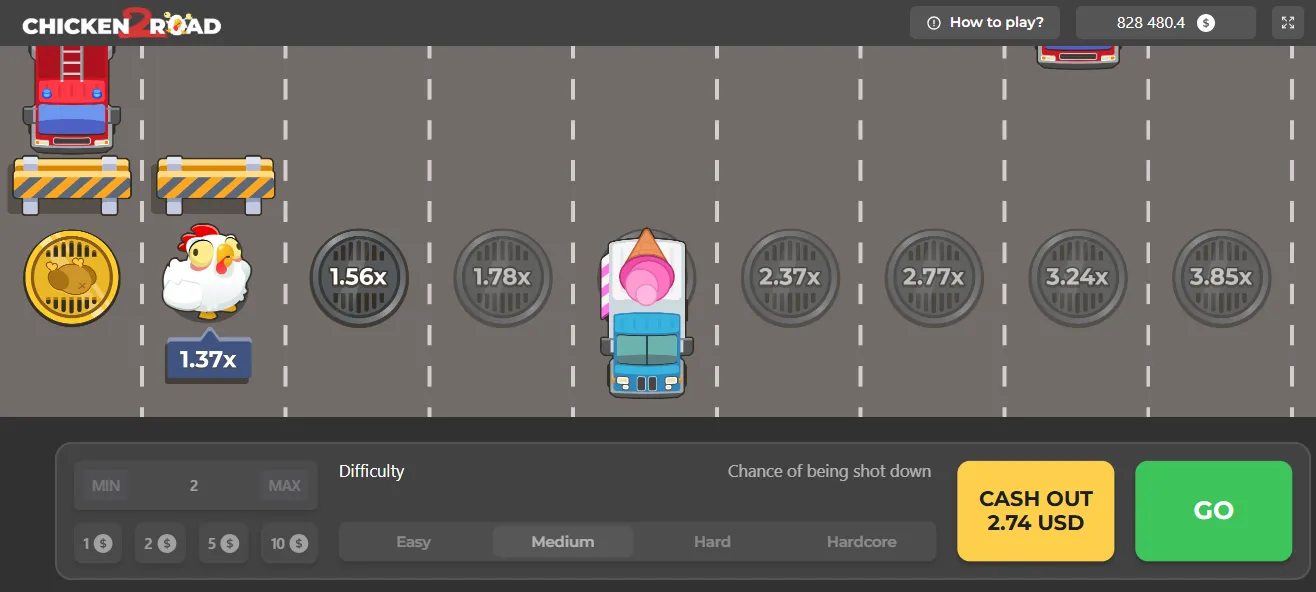
In the Chicken Road game, UK participants often confront a myriad of challenges that impede their progress. Errors, from misjudging paths to neglecting key rules, reveal how impatience and hubris can ruin even the best strategies. Many gamers have disclosed their experiences, highlighting the thin line between thrilling gameplay and annoying mistakes. What emerges from these admissions is not just a list of errors, but a deeper insight of the game’s dynamics and human behavior. What teachings lie in these entertaining failures?
Misjudged Paths: The Cost of Bad Decisions
When participants immerse themselves in the Chicken Road game, they often underestimate the influence of their directional choices. Miscalculated paths can lead to catastrophic outcomes, creating a domino effect on their overall performance. Each decision, whether to take the picturesque route or the quick path, carries weight. Participants frequently favor speed, neglecting to consider the surrounding risks and benefits. A poorly judged turn not only loses valuable time but may also mean forfeiting hard-earned resources. Awareness of the environment, along with strategic foresight, becomes essential in dominating the game. Consequently, building an instinctive understanding of potential paths promotes better decision-making. Recognizing the stakes of each directional choice is the first step toward becoming a strong competitor in Chicken Road.
The Example of the Wrong Turn
In the Chicken Road game, navigation errors can lead to substantial setbacks. When gamers take a wrong turn, not only do they squander valuable time, but they also disrupt their overall gameplay experience. Grasping these directional pitfalls reveals how crucial map consciousness and strategic preparation are to success in the game.
Directional Errors Exposed
While many players immerse themselves in the Chicken Road game with enthusiasm, a common pitfall lurks in their navigation choices—taking the wrong turn. This mistake isn’t just a minor setback; it greatly disrupts a player’s strategic flow. Navigational errors can stem from various factors, leading players off course:
- Impatience
- Lack of Familiarity
- Overconfidence
- Inattention
Recognizing these elements can enable players to make more informed navigation choices, ultimately improving their gameplay and preventing annoying setbacks.
Impact on Gameplay Experience
Taking a wrong turn in Chicken Road significantly alters the gameplay experience, often leaving players frustrated and disoriented. This blunder can lead to cascading consequences, hampering strategic progress and exposing players to unnecessary risks. As the journey unfolds, the original objective morphs into a maze of distractions, detracting from the engaging allure of the game. Players often find themselves backtracking steps or facing avoidable obstacles, which reduces the reward of exploration and achievement. Additionally, this diversion can undermine confidence, with players doubting future navigational decisions. Ultimately, the impact of a wrong turn extends beyond mere spatial errors; it disrupts the flow of gameplay, testing the player’s ability to participate, adjust, and master the complexities of Chicken Road’s ever-changing environment.
Forgetting Key Rules: A Recipe for Disaster
When participants ignore the fundamental principles of Chicken Road, they set themselves up for certain failure. This omission often causes unfortunate errors that could have easily been prevented. Grasping key gameplay elements is crucial, as neglecting to do so can derail one’s advancement. Here are some frequent infractions gamers make: chicken-road-demo.eu
- Ignoring movement patterns, which can lead to surprising crashes.
- Underestimating boosts, failing to seize chances for strategic advantages.
- Overlooking to utilize the environment, resulting in missed bypasses.
- Omitting to convey clearly with partners, leading to fragmented maneuvers.
Command of Chicken Road requires strict adherence to these guidelines. Disregarding them alters the experience from a pleasurable task into a vexing ordeal, finally limiting participants’ potential for victory.
Arrogant Actions That Failed
Many players underestimate the outcomes of their choices, often resulting in catastrophic consequences. Disregarding risky areas, overreaching assets too prematurely, and miscalculating opponent power can swiftly turn a favorable match into a vexing defeat. It’s crucial to equilibrate assurance with care to avoid these frequent pitfalls.
Disregarding Hazardous Terrain
Overconfidence often leads gamers of Chicken Road to underestimate the obstacles presented by dangerous grounds. Many leap into treacherous areas without sufficient strategy, causing devastating setbacks. Gamers omit to realize that risky grounds demands meticulous preparation and accuracy. The subsequent common pitfalls highlight this tendency:
- Neglecting ground assessment
- Overestimating their skills
Overextending Resources Early
While it might seem beneficial to plunge headfirst into challenges, players often find that overextending their resources early in the Chicken Road game can lead to significant setbacks. Many players, motivated by arrogance, allocate too much energy or assets to initial moves, inadvertently limiting their options later. This rash strategy often results in vulnerability, exposing them to more tactical failures as opponents take advantage of their depleted resources. Instead of a swift victory, players who overextend tend to face a slow breakdown of their campaign, as they scramble to recover lost ground. Mastery isn’t about aggressive plays; it requires a balanced approach, allowing for resilience and strategic flexibility as circumstances progress. Therefore, undervaluing resource management can prove disastrous.
Misjudging Enemy Strength
A common pitfall for players in the Chicken Road game is miscalculating their opponents’ strength, which often leads to catastrophic outcomes. Overconfidence can cloud judgment, resulting in perilous decisions. Players often underestimate their foes, forgetting that each decision carries considerable weight. Here are key factors that contribute to this error:
- Ignoring Player History
- Overvaluing Personal Skills
- Misreading Game interactions
Preventing these misjudgments boosts strategic play and encourages mastery.
Not Paying Attention: The Ultimate Distraction
Distraction can be a player’s worst enemy in the Chicken Road Game. It often manifests through external stimuli—noisy surroundings, chatty teammates, or even the temptation of social media. Players who misjudge the influence of these distractions find themselves making crucial errors, neglecting strategies, or overlooking crucial opportunities. Mastery of the game demands constant focus; a moment’s lapse can cause disaster, whether that’s running into an enemy henchman or missing out on necessary items.
Additionally, when players share their attention, they significantly decrease their situational awareness. Triumphant players formulate techniques to reduce distractions, like setting up a distraction-free environment and practicing mindfulness. By honing their concentration, they enhance their gameplay and elevate their chances of success, demonstrating that paying attention is a essential skill.
Choosing the Wrong Allies: Lessons in Team Dynamics
When players mistakenly trust the wrong teammates in the Chicken Road Game, they often prepare themselves for failure. The interplay of teamwork plays a crucial role in attaining success, yet miscalculation leads to uncoordinated efforts. Players must identify key observations to better their collaborative experience:
- Judge players’ past performance and reliability.
- Talk openly to measure intent and willingness.
- Observe body language for hidden agendas.
- Stay adaptable; re-evaluate connections as the game progresses.
Brushing It Off: the Best Blunders Shared
In the tumultuous world of the Chicken Road Game, players often find themselves laughing at their most noteworthy blunders, turning missteps into shared moments of entertainment. These humorous anecdotes shed light on the game’s unpredictable nature and nurture a sense of community among players. For instance, one player recounted inadvertently steering their character into a rival’s path, resulting in an accidental but amusing collision. Such slip-ups can spark animated discussions about strategy and decision-making, highlighting the necessity of perseverance and versatility in gameplay. This ability to laugh off mistakes not only enhances the gaming experience but also promotes a growth mindset. By welcoming these blunders, players not only enhance their tactical skills but also solidify their connections with fellow gamers.
Conclusion
To recap, the experiences shared by Chicken Road players emphasize the intricate balance between speed and strategy. Missteps stemming from self-assurance, distractions, and miscalculations serve as essential lessons for gamers aiming to improve their gameplay. Each blunder fosters a sense of community, allowing players to connect over shared experiences and gain insights from one another. Ultimately, these mistakes not only enhance the individual journey but also contribute to the collective wisdom of the Chicken Road gaming community.
